Essential Tips for Buying a Home in Bangalore
Understand Your Budget
Before diving into the real estate market in Bangalore, it's crucial to have a clear understanding of your budget. Determine how much you can afford by assessing your savings, monthly income, and any financial commitments. Don’t forget to factor in additional costs such as registration fees, maintenance, and taxes.
Consulting a financial advisor or using online mortgage calculators can help you get a realistic picture of your budget. Make sure to have a buffer for unexpected expenses that might arise during the home buying process.

Choose the Right Location
Bangalore offers a variety of neighborhoods, each with its own unique charm and amenities. Whether you’re looking for the bustling city life or a quieter suburban area, make sure to choose a location that suits your lifestyle and needs. Consider proximity to your workplace, schools, healthcare, and public transport.
Research the future development plans for the area, as this can significantly impact property values. A neighborhood with upcoming infrastructure projects can be a smart investment, potentially increasing in value over time.
Research the Market
The Bangalore real estate market can be highly dynamic. Spend time researching current trends, property prices, and market forecasts. Understanding the market will help you make informed decisions and negotiate better deals.

Attend open houses and property exhibitions to get a feel for what's available. Engaging with local real estate agents can also provide valuable insights into the market dynamics and upcoming opportunities.
Understand Legal Aspects
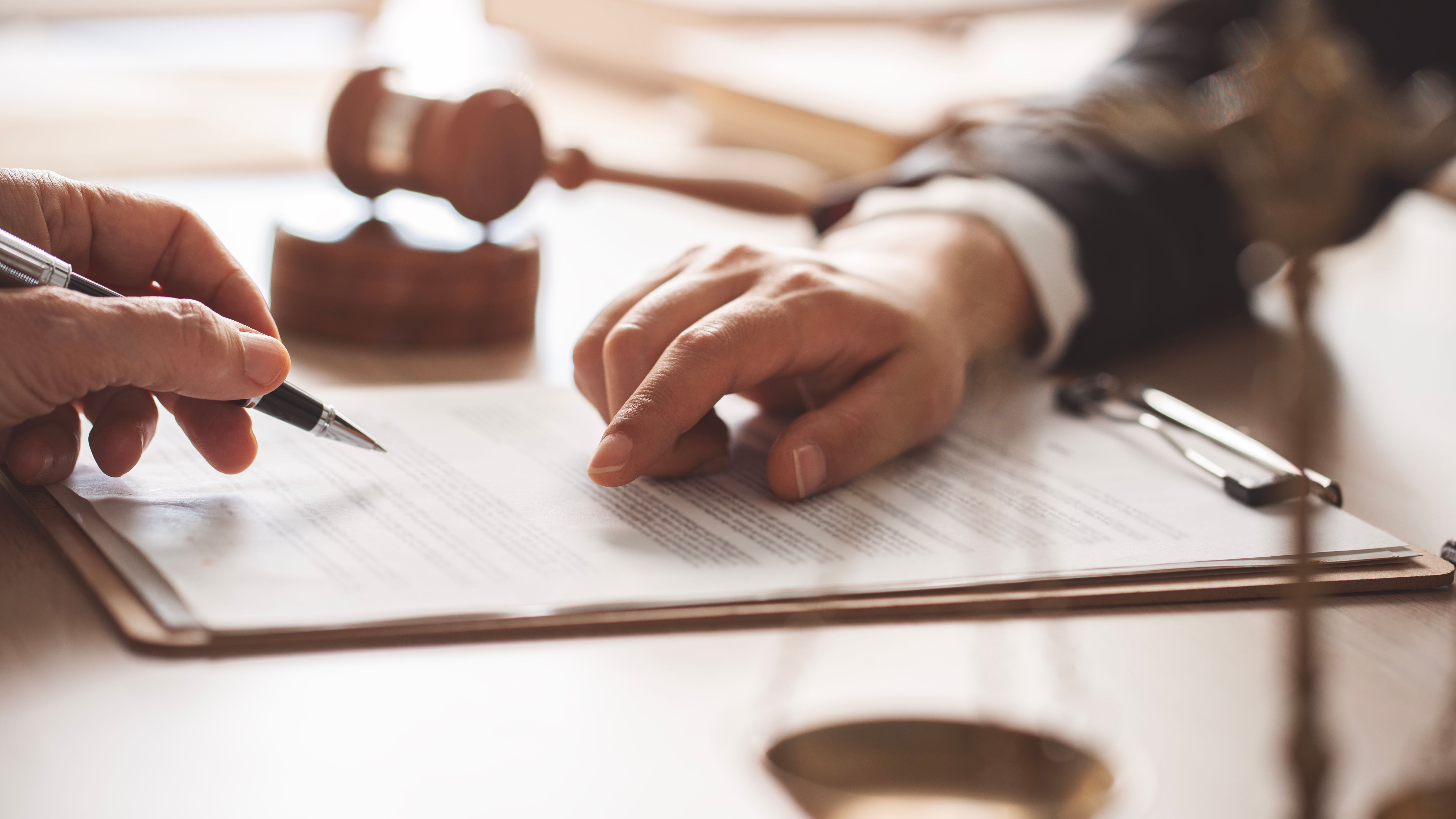
Buying a home involves complex legal procedures. Ensure that all property documents are in order and verify the legal status of the property. Check for necessary approvals from local authorities and confirm that the property is free from any legal disputes or encumbrances.
Hiring a reputable real estate lawyer can be beneficial in reviewing documents and ensuring a smooth transaction. They can help you navigate the legal landscape and avoid potential pitfalls.
Inspect the Property
Before finalizing your purchase, conduct a thorough inspection of the property. Check the condition of the building, plumbing, electrical systems, and any additional amenities. Identifying issues early can save you from costly repairs later on.
If possible, engage a professional home inspector to assess the property. They can provide a detailed report on the property's condition, helping you make an informed decision.
Negotiate the Best Deal
Negotiation is a crucial part of the home buying process. Use the information you've gathered on market conditions and property evaluations to negotiate a fair price. Be prepared to walk away if the terms don’t meet your expectations.
Remember, patience and persistence are key. Sometimes, waiting for the right opportunity or being flexible with your requirements can lead to better deals.

Plan for the Future
Think long-term when buying a home. Consider how your needs might change over time, such as family size, work commitments, or lifestyle changes. A property that meets your future needs can be a more sustainable investment.
Evaluate the potential for property appreciation and rental income if you plan to invest. This foresight can lead to more strategic and rewarding decisions.