Eco-Friendly Homes in Bengaluru: A Sustainable Living Guide
Introduction to Eco-Friendly Homes in Bengaluru
In the bustling city of Bengaluru, known for its technological advancements and vibrant culture, a new trend is emerging—eco-friendly homes. As environmental awareness grows, more residents are seeking sustainable living options that not only benefit the planet but also enhance their quality of life. This guide explores the essentials of sustainable living in Bengaluru and how you can make your home more environmentally friendly.

Why Choose Eco-Friendly Homes?
Eco-friendly homes offer numerous advantages that go beyond environmental impact. They are designed to be energy-efficient, reducing utility bills significantly. Moreover, they create healthier living environments by minimizing pollutants and using non-toxic materials. For Bengaluru's residents, who often face urban challenges like pollution and water scarcity, sustainable homes present a pragmatic solution.
Energy Efficiency
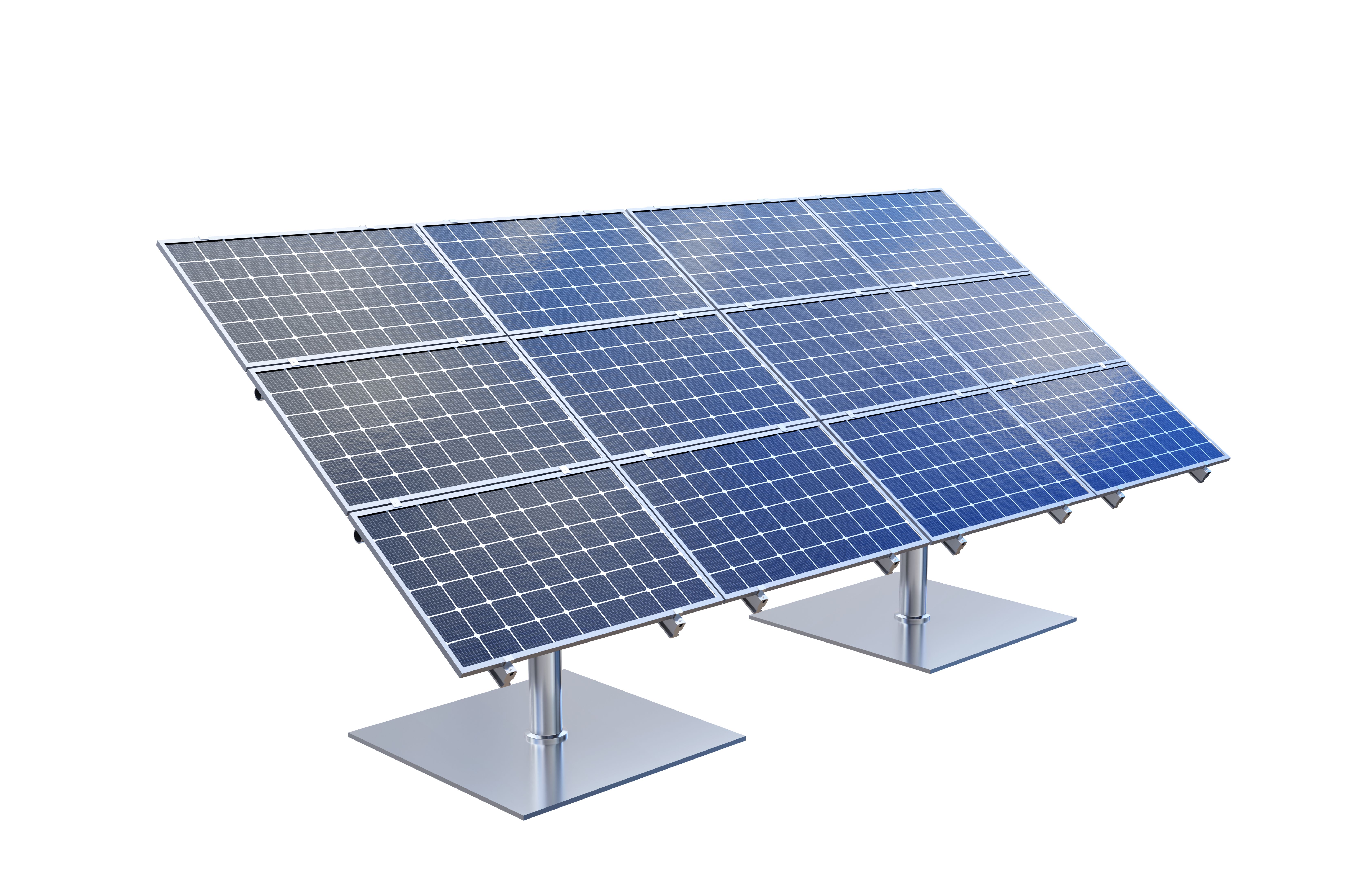
Energy efficiency is a cornerstone of eco-friendly homes. By incorporating solar panels, LED lighting, and energy-efficient appliances, homeowners can drastically cut their electricity consumption. Bengaluru's ample sunshine makes solar energy a feasible and effective option for powering homes sustainably.
Water Conservation Techniques
Bengaluru is no stranger to water shortages. Eco-friendly homes often incorporate rainwater harvesting systems and low-flow fixtures to conserve water. These systems help in reducing dependency on municipal water supply and ensure a consistent water supply even during dry spells.
Rainwater Harvesting
Rainwater harvesting is a simple yet effective method of conserving water. By collecting rainwater from rooftops and storing it in tanks, homeowners can utilize this resource for various household needs, reducing their overall water footprint.

Use of Sustainable Materials
Choosing sustainable building materials is another critical aspect of eco-friendly homes. Options like bamboo, reclaimed wood, and recycled metal not only reduce environmental impact but also add unique aesthetic appeal. These materials are often more durable and require less maintenance compared to conventional building materials.
Recycled and Locally-Sourced Materials
Using recycled materials or sourcing materials locally can significantly lower the carbon footprint of a home. This practice supports local businesses and reduces emissions associated with transportation.

Incorporating Green Spaces
Green spaces are crucial for enhancing the quality of life in urban environments. Eco-friendly homes often feature rooftop gardens or vertical gardens that improve air quality and provide a space for relaxation. These gardens can also be used to grow herbs or vegetables, promoting a self-sustaining lifestyle.
- Rooftop Gardens
- Vertical Gardens
- Indoor Planting
Conclusion: Embracing Sustainable Living
Transitioning to an eco-friendly home in Bengaluru is more than just a trend—it's a commitment to a sustainable future. By adopting energy-efficient practices, conserving water, using sustainable materials, and incorporating green spaces, residents can significantly reduce their environmental impact while enjoying a healthier, cost-effective lifestyle.
As Bengaluru continues to grow, the shift towards eco-friendly homes marks an important step towards ensuring that this progress is sustainable and beneficial for both its residents and the environment.